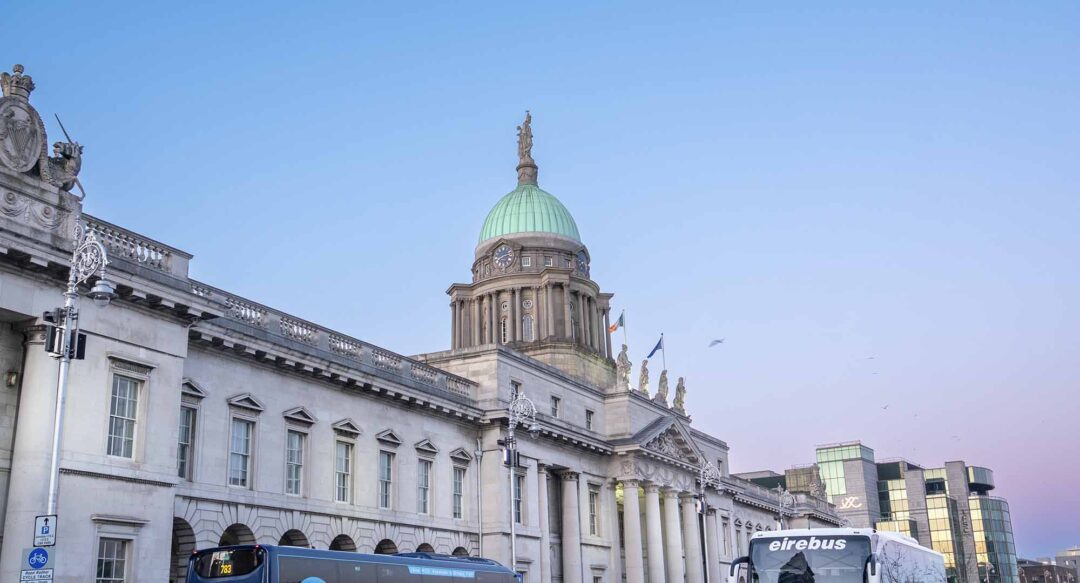
The Custom House Dublin
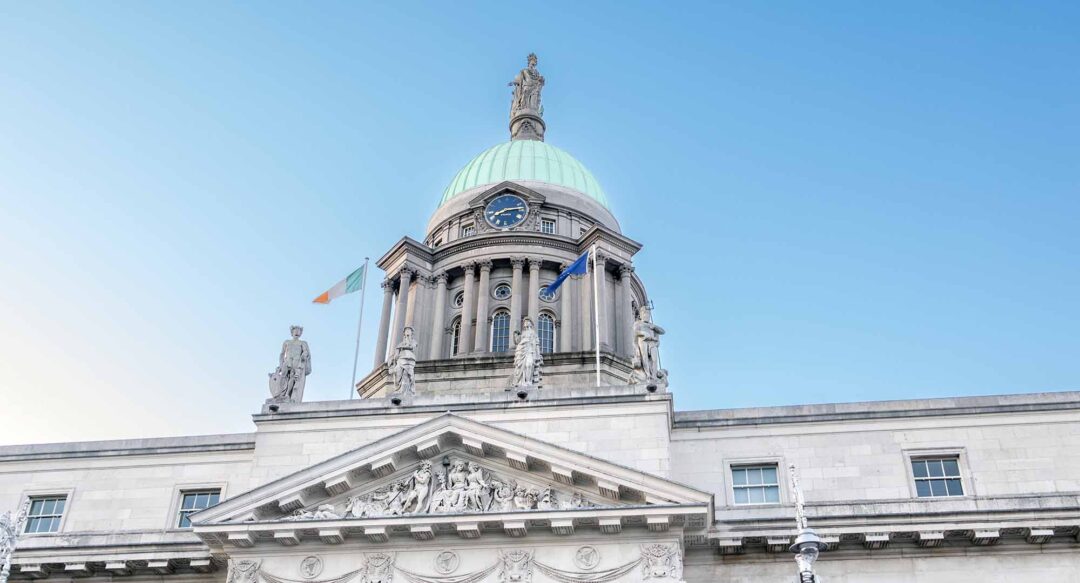
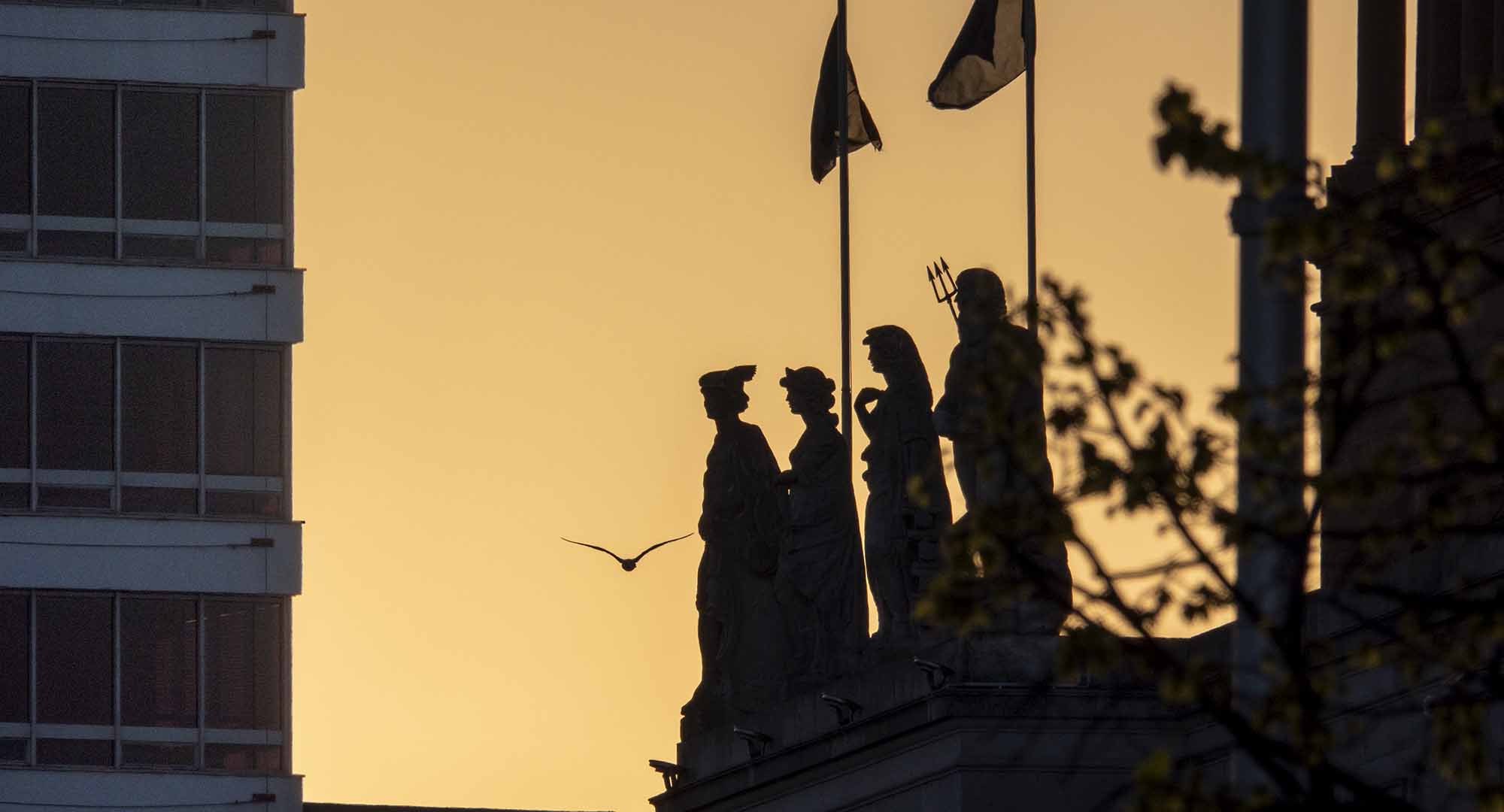
This building is adorned with statues, mostly sculpted by Edward Smith. Other items include work from Agostino Carlini and Joseph Banks, so photographers, opportunity to use your long lens to capture the beauty of these remarkable statues, and can be found above the pediment, Mercury, Plenty, Industry and Neptune stand.
Construction began in 1781 and was finished ten years later, the architect James Gandon also designed the Four Courts and the King’s Inn. The Custom House was expensive with a price tag of £200,000 a considerable sum at the time.
The Custom House is found on the north side of the river Liffey, It’s a magnificent example of 18th-century neoclassical architecture, inspired by classical Roman buildings. It features impressive columns, pediments, and ornamental sculptures. Now used for policymaking in Ireland, inside government departments such as Revenue Commissioners the Department of Housing, and Departent of Heritage can be found.
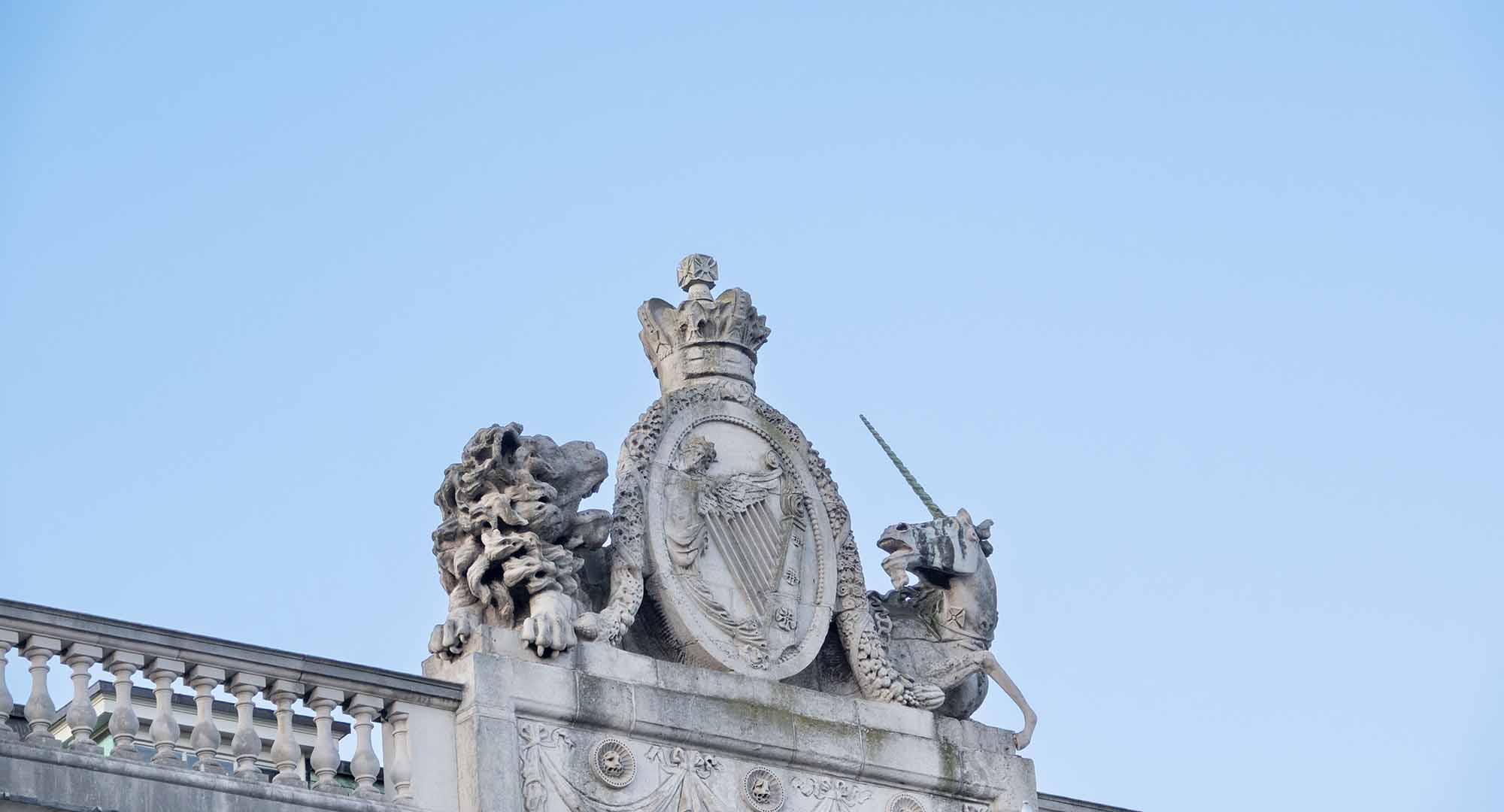
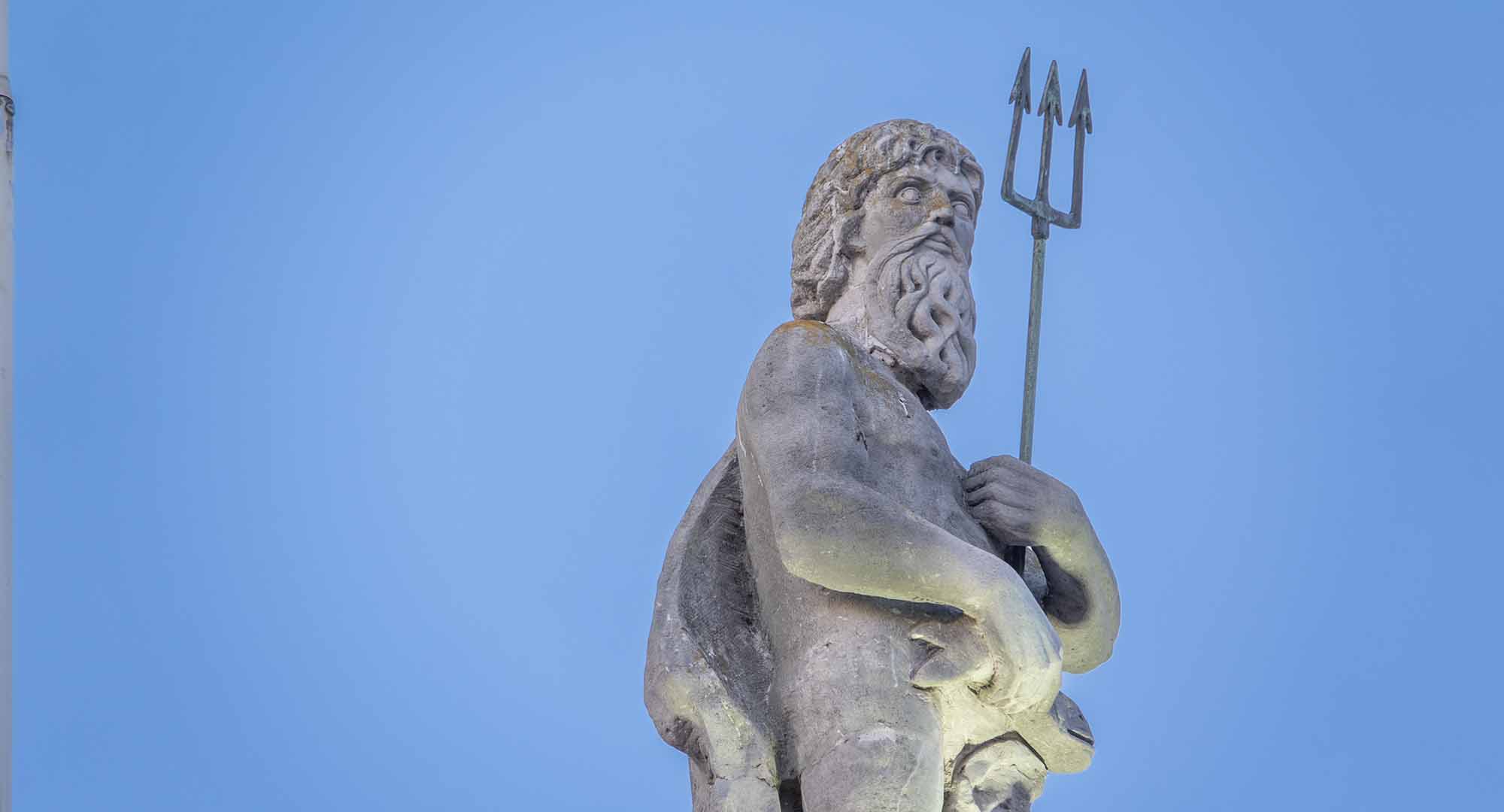
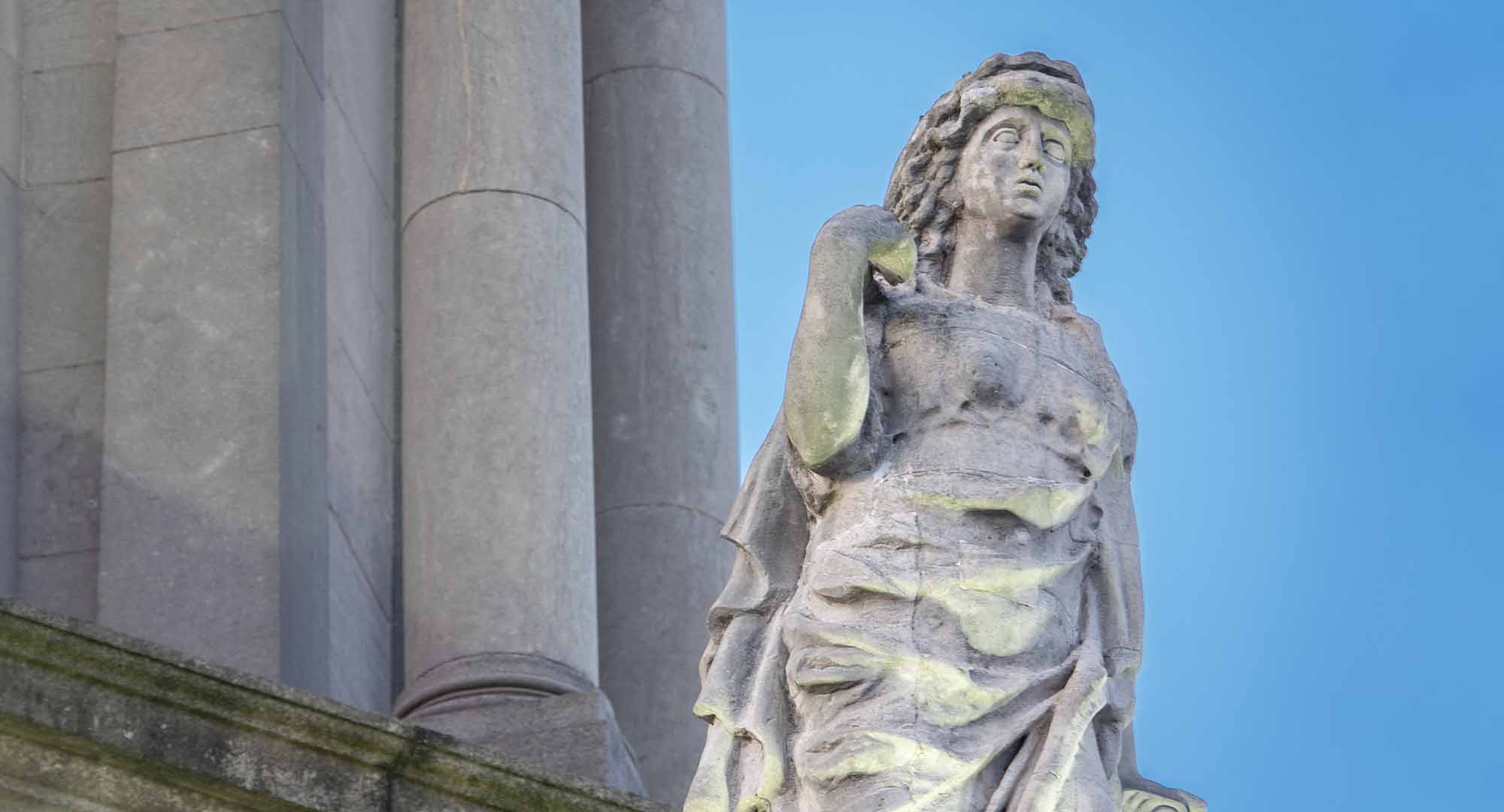
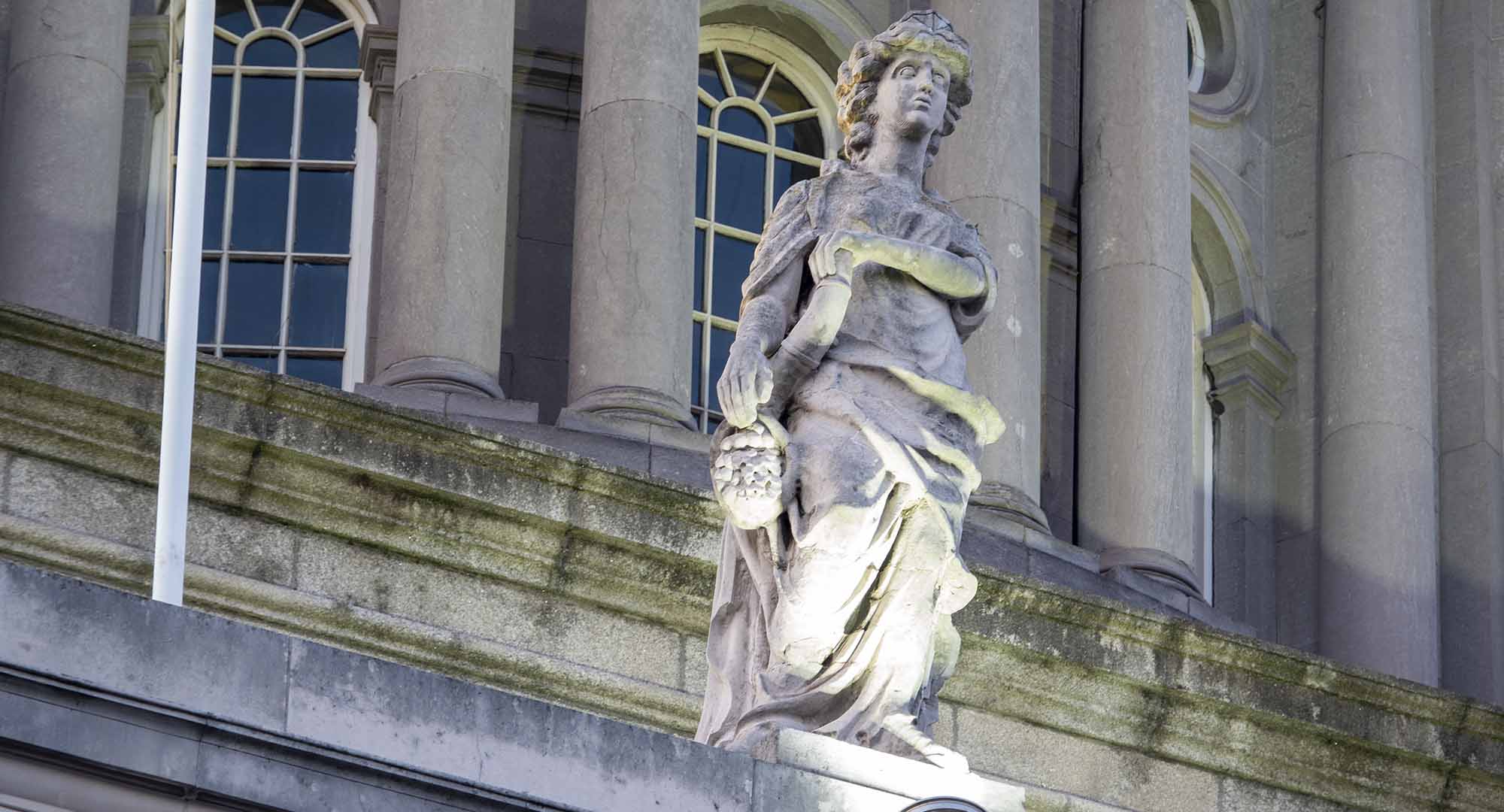
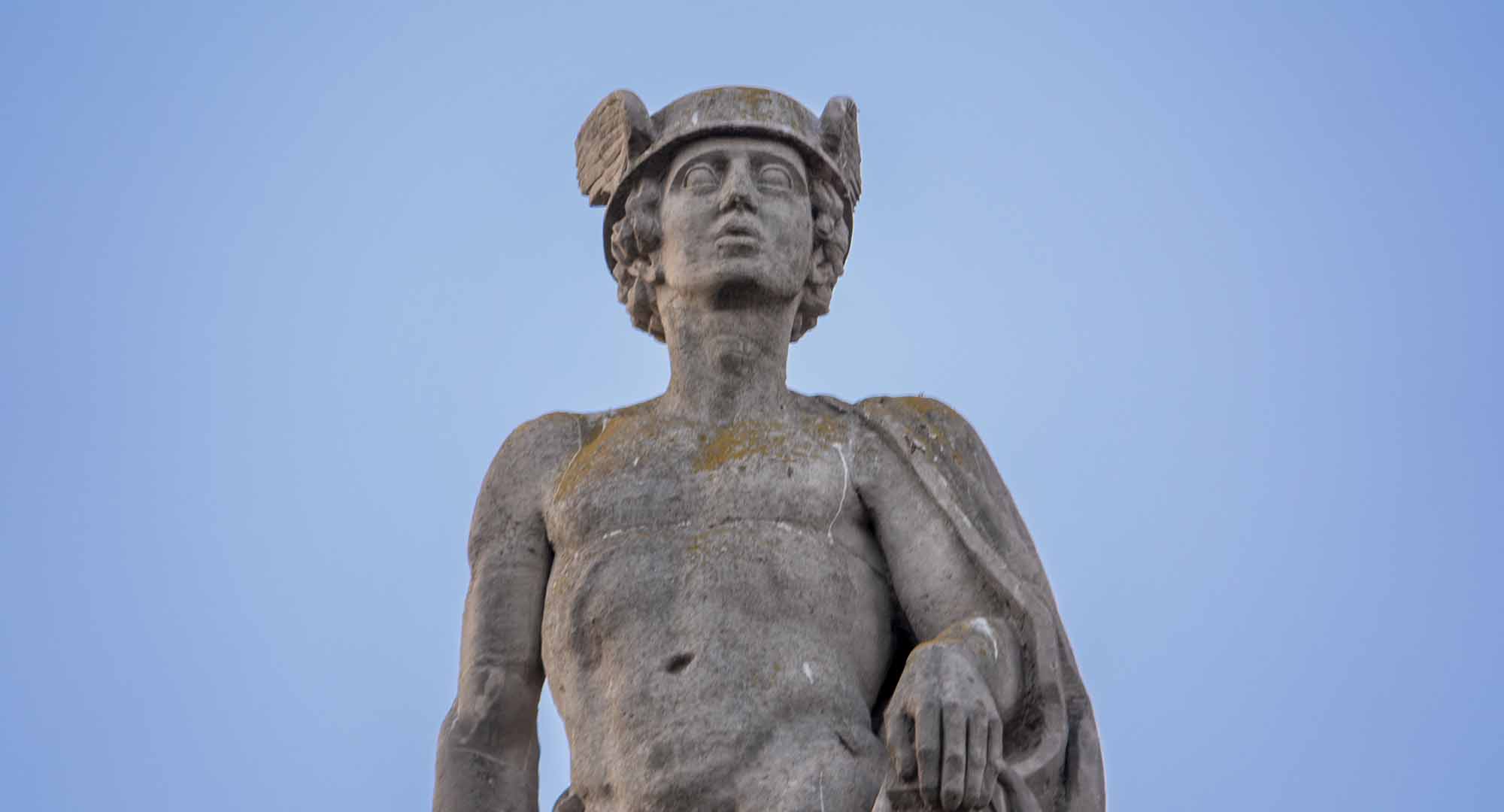
The Custom House is found on the north side of the river Liffey, It’s a magnificent example of 18th-century neoclassical architecture, inspired by classical Roman buildings. It features impressive columns, pediments, and ornamental sculptures. Now used for policymaking in Ireland, inside government departments such as Revenue Commissioners the Department of Housing, and Departent of Heritage can be found.
The Custom House Fire
Ask Gemini
The Custom House fire in Dublin was a significant event during the Irish War of Independence, occurring on May 25, 1921.
Here’s a breakdown of what happened:
Background and Cause:
- The Custom House was a prominent symbol of British administration in Ireland, housing numerous government departments, including those related to local government and taxation.
- By May 1921, the Irish Republican Army (IRA) had been engaged in a guerrilla campaign for over two years. Éamon de Valera, who had recently returned from the United States, sought a major propaganda spectacle to refocus international attention on Ireland and pressure the British government.
- Despite some internal disagreements (Michael Collins was reportedly against the attack), the decision was made to attack and burn the Custom House as a symbolic “smashing blow” to British rule. The operation was meticulously planned, with the goal of destroying administrative records.
The Event:
- On May 25, 1921, around 120 IRA volunteers, primarily from the Dublin Brigade’s 2nd Battalion, gathered around the Custom House. They entered the building at 12:55 PM, overpowering police guards.
- The operation aimed to be quick, lasting only about 25 minutes. Volunteers poured petrol throughout the building to set it alight.
- British Auxiliaries quickly arrived, and a gun battle erupted in and around the building. Many IRA members were lightly armed, primarily with pistols, and their ammunition soon ran out.
- Crucially, some members of the Dublin Fire Brigade were also IRA sympathizers or members, and they played a role in both assisting the IRA inside and later in “spreading” the fire to ensure maximum destruction, rather than extinguishing it quickly.
Impact and Aftermath:
- The Custom House was almost completely destroyed by the fire, which burned for five days. Centuries of local government and tax records were lost. While some feared the loss of vital family records like birth/marriage/death certificates or wills, these were generally stored elsewhere and were not destroyed in this fire (though many were lost in the Four Courts fire in 1922).
- The attack resulted in casualties: nine people were killed (five IRA members and four civilians).
- Militarily, it was a costly operation for the IRA in Dublin, with over 80 volunteers captured, a significant blow to their operational capacity in the capital.
- Despite the heavy losses, the Custom House burning was considered a major propaganda success for the IRA. It demonstrated their ability to strike at the heart of British administration in Ireland and garnered international attention, highlighting the ongoing struggle for independence.
• • The building, a neoclassical masterpiece designed by James Gandon, underwent significant reconstruction after the fire. Today, it serves as the headquarters of the Department of Housing, Local Government and Heritage.

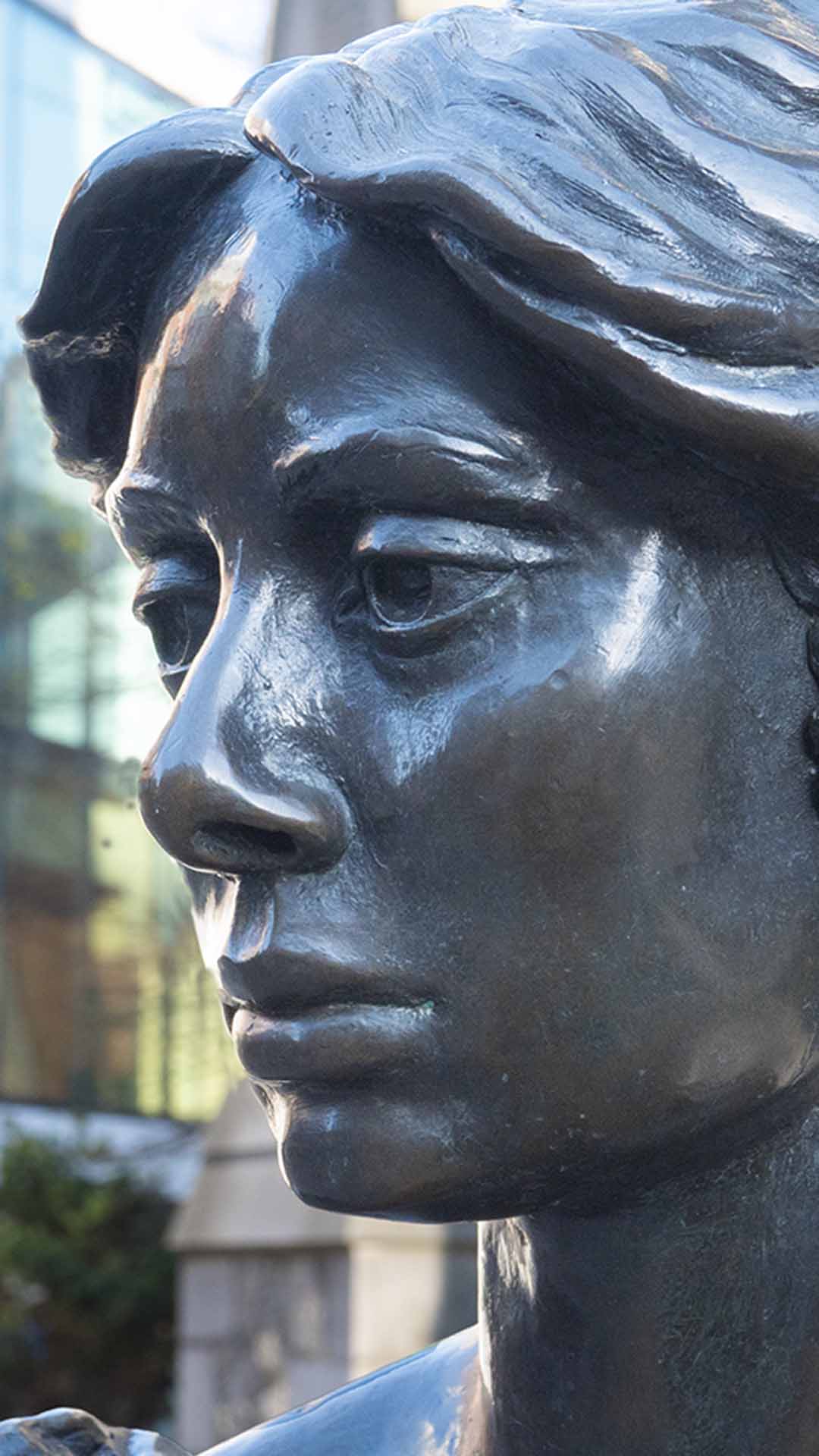
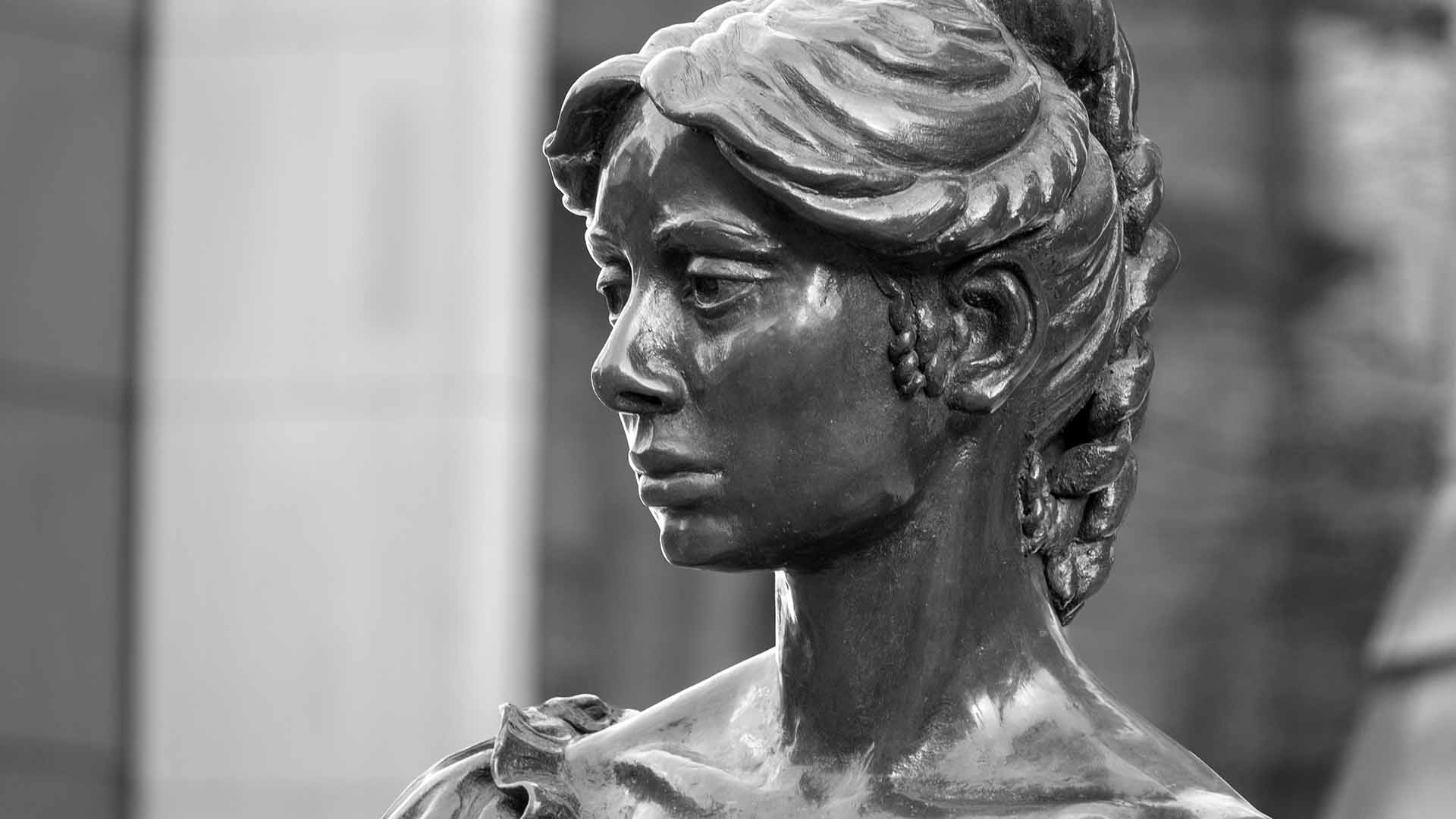
Molly Malone Statue

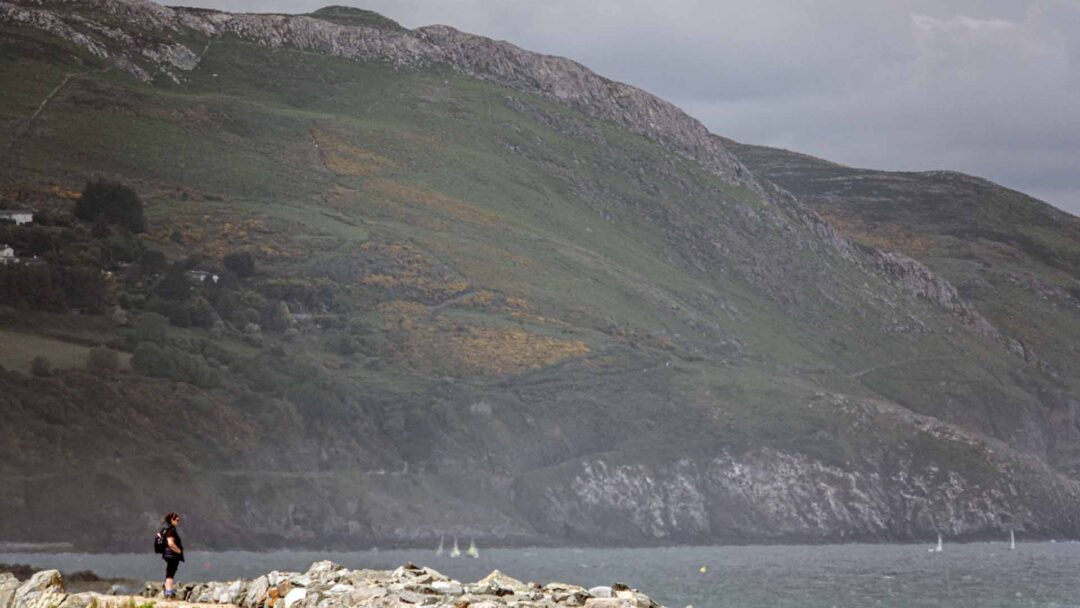
Bray to Greystones Cliff Walk
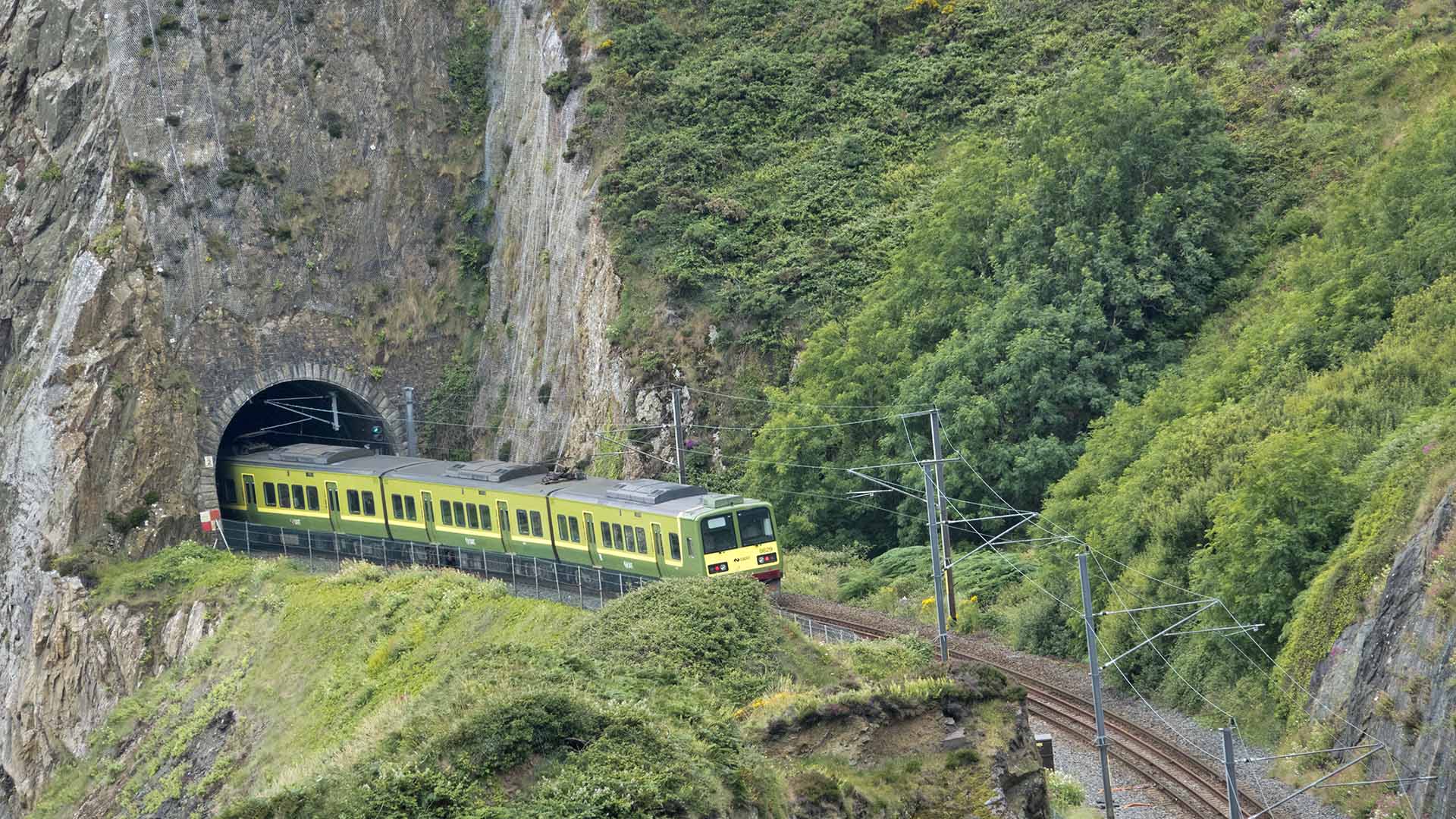
Kilcoole to Greystones
Luke Kelly Statue